
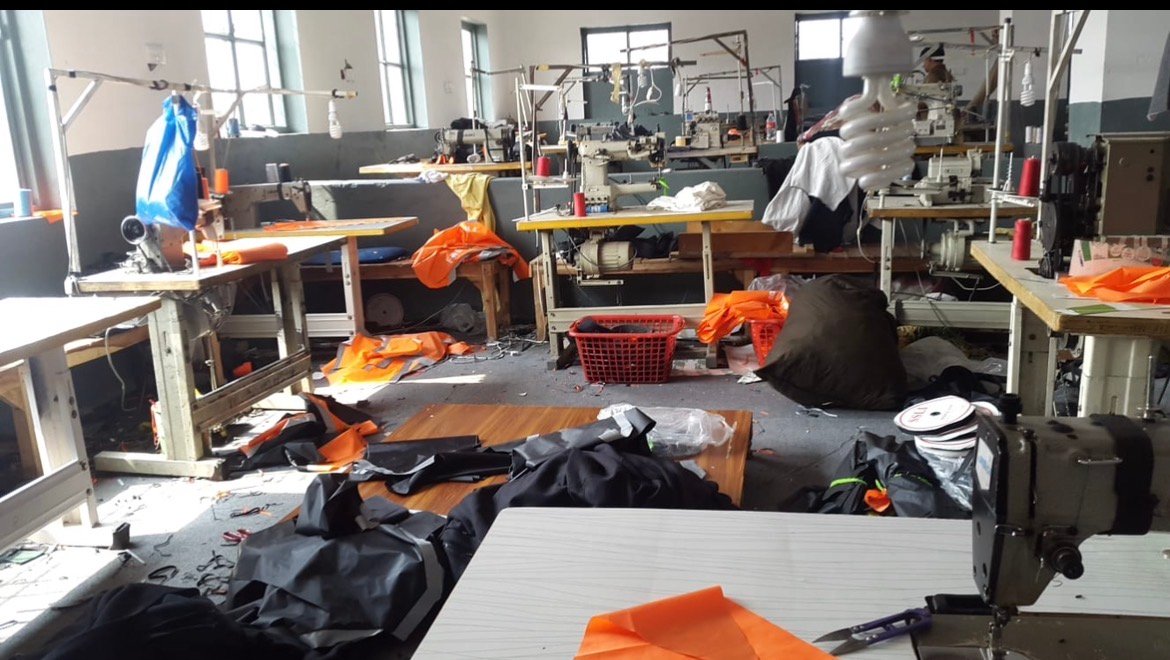
Moving from sampling to repeat production requires controlled decisions. Each stage should answer a different set of questions before the programme advances.
1. Product brief
The process begins with the intended use, market, construction, quantities, branding and commercial expectations. This establishes the direction for development and identifies any technical information still required.
2. Material and construction review
Textiles, leather, reinforcements, trims and components are assessed against appearance, function, availability and order quantity. Construction methods are planned around the product’s real use.
3. Sampling and refinement
A physical sample allows the buyer and manufacturer to review fit, function, colours, branding and finishing. Feedback should be consolidated into one clear approval round wherever possible.
4. Production specification
Approved dimensions, materials, colourways, branding positions and packaging details become the production reference. This reduces ambiguity when the programme enters bulk manufacturing.
5. Quality control and delivery
Checks are organised around the approved specification during production and before packing. Export documentation and shipment preparation are then coordinated according to the agreed commercial terms.
A controlled pathway protects the buyer’s product intent while giving the factory clear decision points for repeatable manufacturing.
Explore NamNox capabilities →